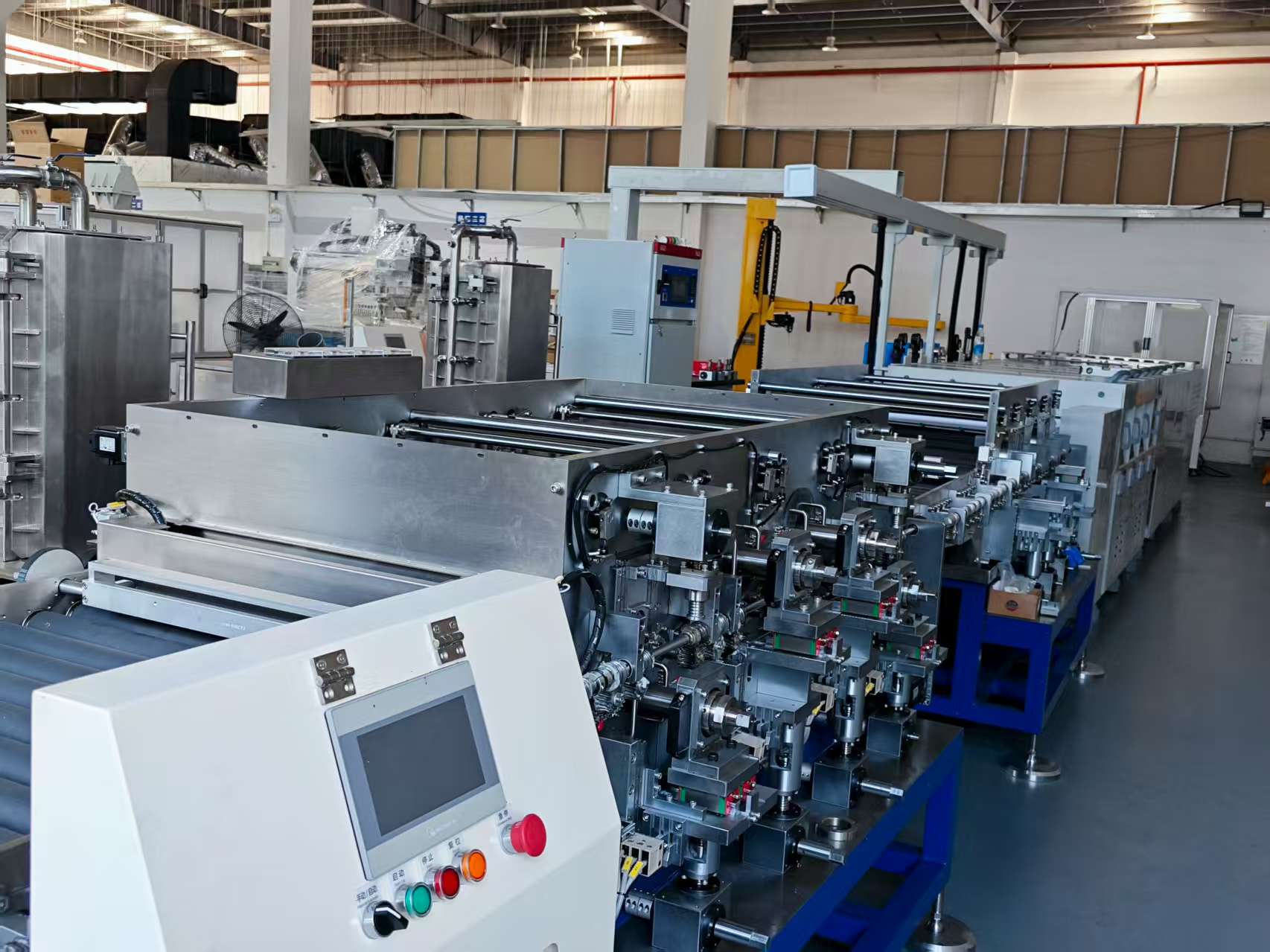
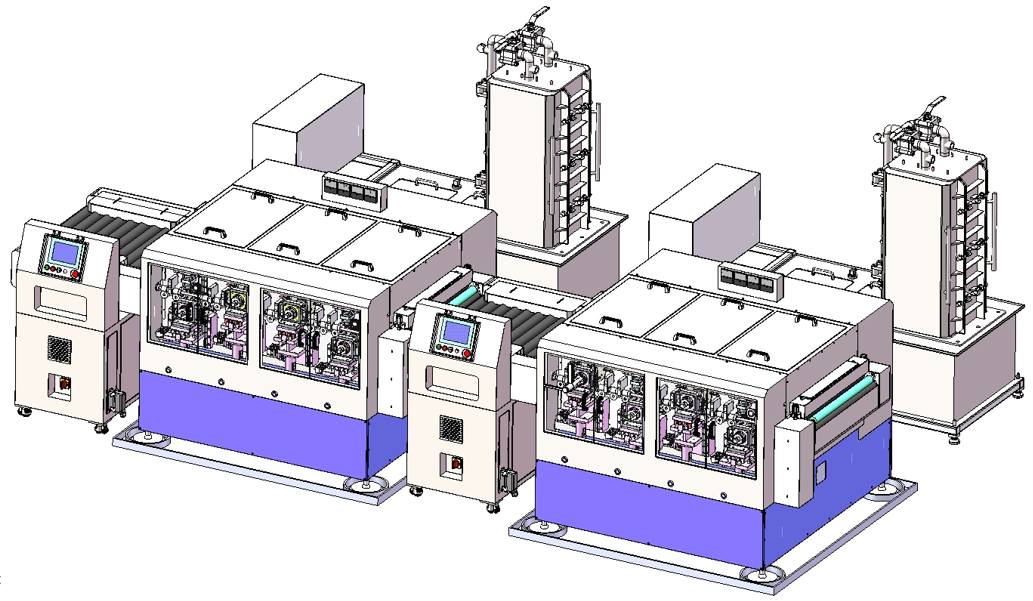
電路板研磨機是電子制造和維修領域中用于對電路板表面進行精細處理的專用設備,其核心功能是通過機械研磨去除表面瑕疵、調整厚度或優化表面特性,以滿足后續工藝(如焊接、貼片、涂層等)的要求。以下是關于電路板研磨機的詳細解析:
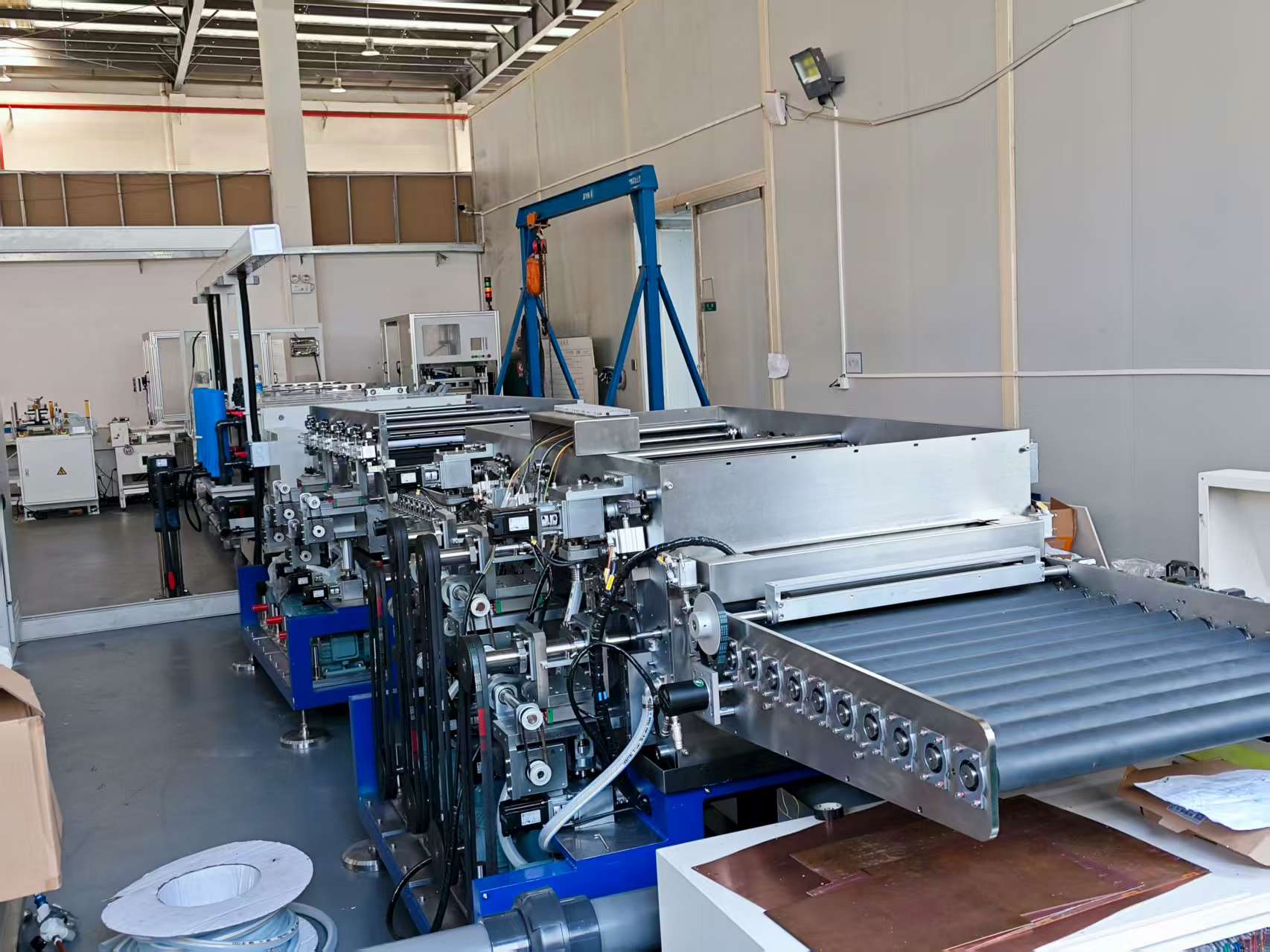
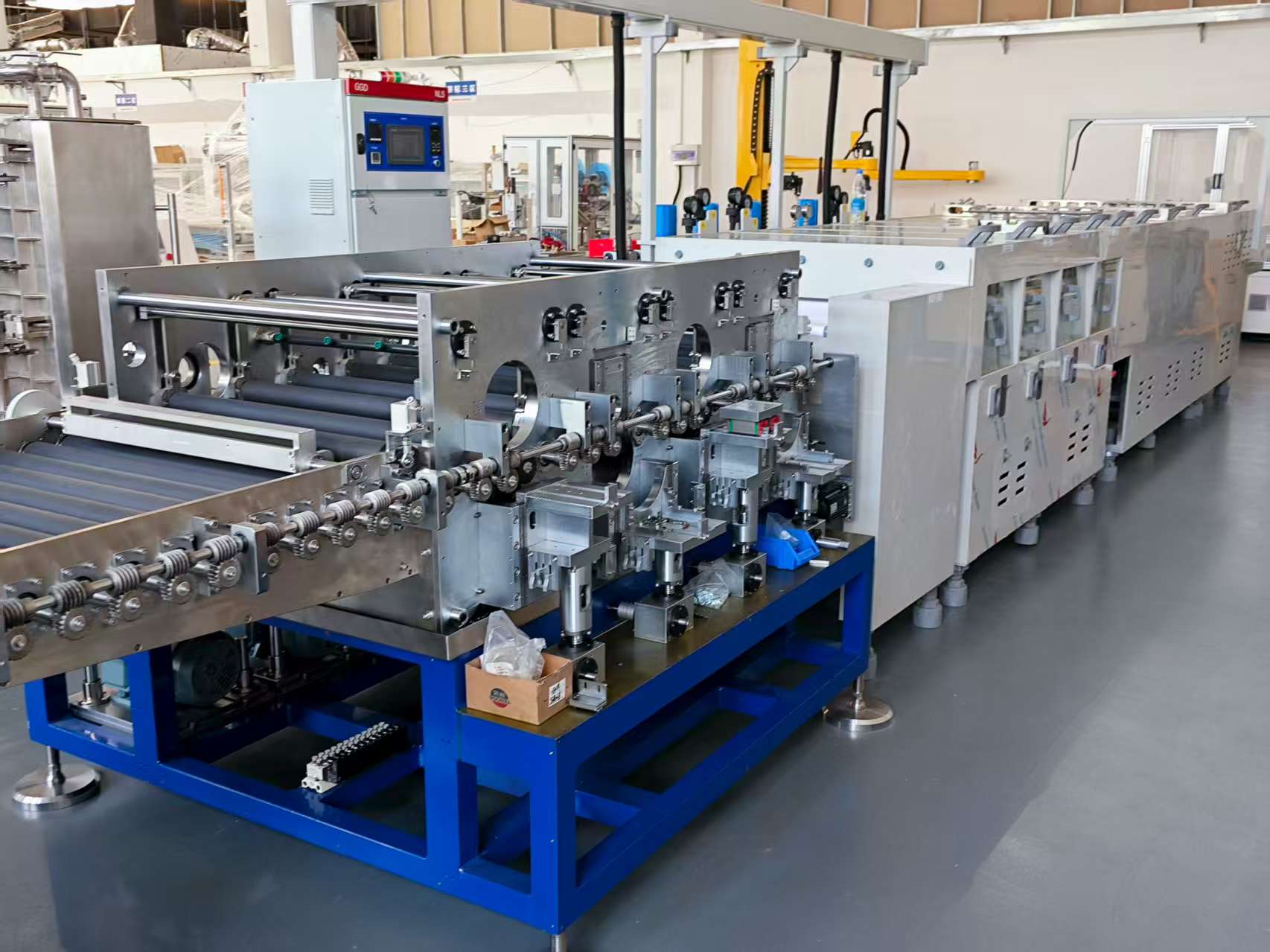
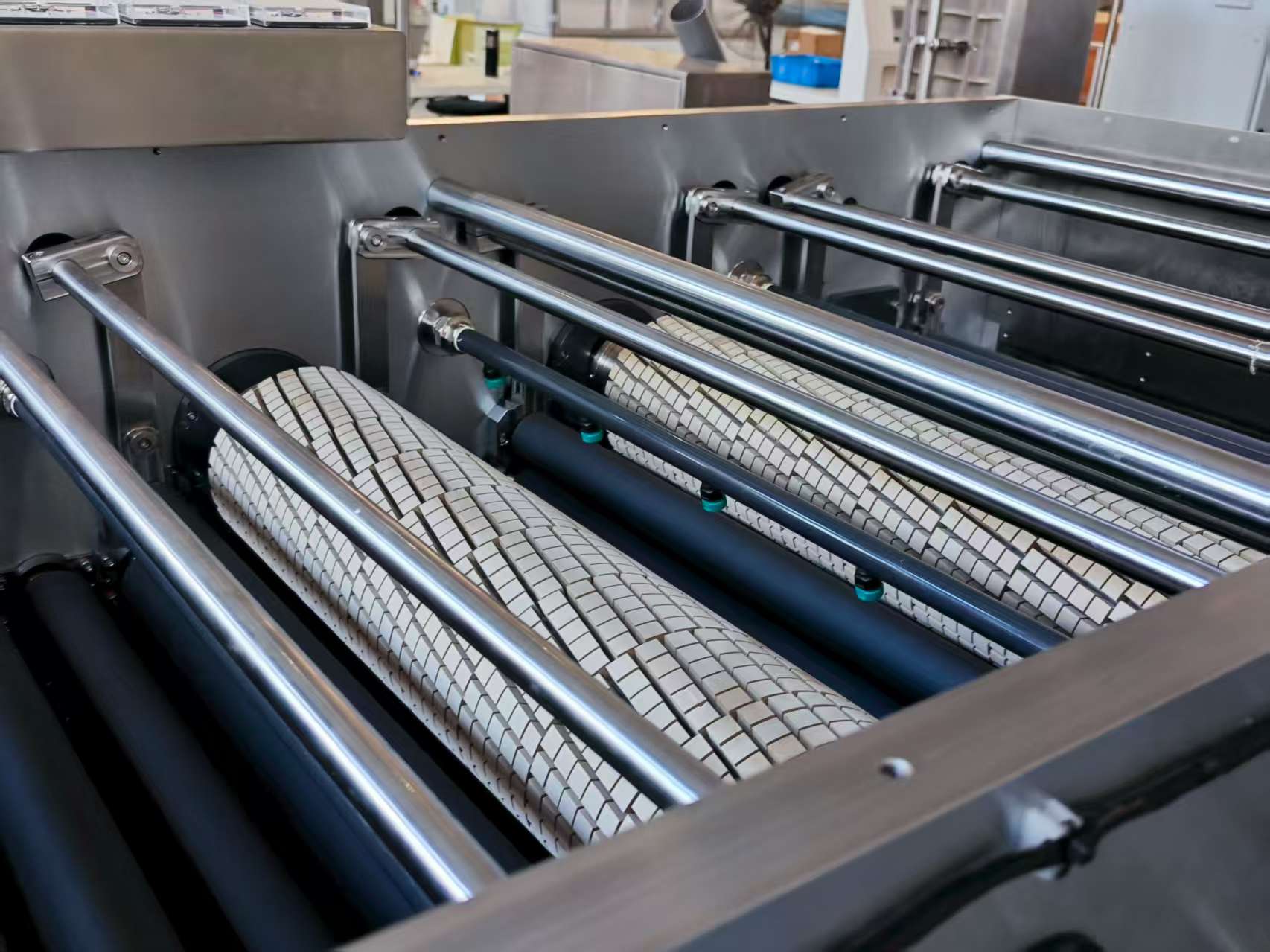
一、核心功能與應用場景
表面處理
工藝銜接
應用領域
PCB制造(多層板、柔性板、HDI板等)。
半導體封裝、LED顯示屏等高精度電子產品的生產。
二、主要類型與工作原理
按研磨方式分類
平面研磨機:通過砂輪或研磨盤對電路板表面進行平面磨削,適用于大面積均勻處理。
滾筒研磨機:將電路板放入滾筒中,通過摩擦材料(如陶瓷珠、塑料粒)進行拋光,適合批量處理小尺寸板。
化學機械拋光(CMP):結合化學腐蝕與機械研磨,用于超精密表面處理(如高密度互連板)。
按自動化程度分類
三、關鍵技術參數
研磨精度:通常要求表面粗糙度Ra≤0.1μm,厚度公差±0.01mm。
研磨速度:根據材料硬度調整,一般范圍為5-50m/min。
壓力控制:通過氣缸或液壓系統調節研磨壓力,避免過度損傷電路。
冷卻系統:采用水冷或油冷方式,防止研磨過程中產生高溫導致電路變形。
除塵裝置:配備真空吸塵或濕式除塵系統,減少粉塵污染。
四、操作流程與注意事項
預處理
參數設置
研磨過程監控
定期檢查表面平整度,避免局部過度研磨。
觀察研磨介質磨損情況,及時更換。
后處理
Circuit board grinder is a specialized equipment used in the field of electronic manufacturing and maintenance to finely process the surface of circuit boards. Its core function is to remove surface defects, adjust thickness, or optimize surface characteristics through mechanical grinding to meet the requirements of subsequent processes such as soldering, mounting, coating, etc. The following is a detailed analysis of the circuit board grinder:
twenty million two hundred and fifty thousand eight hundred and fourteen
twenty million two hundred and fifty thousand eight hundred and fourteen
twenty million two hundred and fifty thousand eight hundred and fourteen
1、 Core functions and application scenarios
Surface Treatment
Remove oxide layers, stains, residual solder or flux, and improve surface cleanliness.
Eliminate scratches, burrs, or protrusions on the surface of the circuit board to ensure flatness.
Adjust the thickness of the circuit board (such as thinning treatment) to meet specific equipment requirements.
Process connection
Provide high-quality substrates for subsequent processes such as gold deposition, tin spraying, and OSP surface treatment.
Improve the adhesion between the circuit board and components such as heat sinks and casings.
application area
PCB manufacturing (multi-layer board, flexible board, HDI board, etc.).
Production of high-precision electronic products such as semiconductor packaging and LED display screens.
2、 Main types and working principles
Classified by grinding method
Flat grinding machine: used for flat grinding of the surface of circuit boards through grinding wheels or discs, suitable for large-area uniform processing.
Drum grinder: Place the circuit board into a drum and polish it with friction materials such as ceramic beads and plastic particles, suitable for batch processing of small-sized boards.
Chemical mechanical polishing (CMP): a combination of chemical corrosion and mechanical grinding used for ultra precision surface treatment (such as high-density interconnect boards).
Classified by degree of automation
Manual grinder: flexible operation, suitable for small batch or local repair.
Automatic Grinding Machine: Equipped with a CNC system, it can preset grinding parameters to achieve efficient mass production.
3、 Key technical parameters
Grinding accuracy: The surface roughness Ra is usually required to be ≤ 0.1 μ m, and the thickness tolerance is ± 0.01mm.
Grinding speed: adjusted according to the hardness of the material, generally ranging from 5-50m/min.
Pressure control: Adjust the grinding pressure through cylinders or hydraulic systems to avoid excessive damage to the circuit.
Cooling system: Adopting water cooling or oil cooling methods to prevent circuit deformation caused by high temperatures during the grinding process.
Dust removal device: equipped with vacuum suction or wet dust removal system to reduce dust pollution.
4、 Operation process and precautions
pretreatment
Clean the surface of the circuit board to remove large particles and impurities.
Secure the circuit board (such as using vacuum suction cups or fixtures) to prevent movement during grinding.
Parameter settings
Select the grinding medium and pressure based on the material of the circuit board (such as FR-4, ceramic, metal substrate).
Set the grinding time, speed, and direction (unidirectional or reciprocating).
Grinding process monitoring
Regularly check the surface flatness to avoid excessive grinding in certain areas.
Observe the wear of the grinding medium and replace it in a timely manner.
Post processing
Clean the circuit board and remove any abrasive residue.
Detect surface roughness, thickness, and electrical properties (such as impedance and insulation).