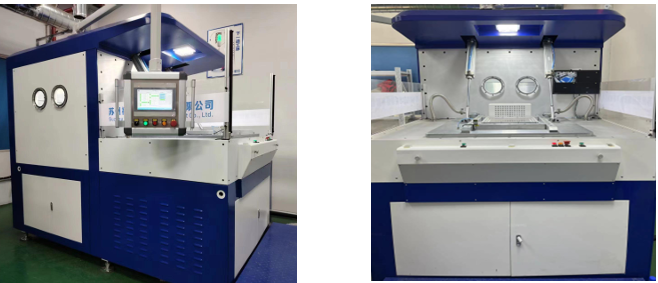
壓力塞孔機與真空塞孔機:PCB 塞孔設備的對比與選擇指南Pressure plug hole machine and vacuum plug hole machine: comparison and selection guide for PCB plug hole equipment
1. 引言
PCB塞孔工藝是印刷電路板制造中的關鍵環節,主要用于防止孔內出現空洞,提高電氣性能和機械強度。隨著PCB向高密度、高性能方向發展,塞孔工藝的重要性日益凸顯。目前市場上主流的塞孔設備分為壓力塞孔機和真空塞孔機兩大類,各有其特點和適用場景。
2. PCB塞孔基礎原理
2.1 塞孔的目的與作用
防止波峰焊時錫膏貫穿導通孔造成短路
提高BGA等密間距器件的可靠性
阻止化學藥水滲透進孔內
增強PCB板的耐濕性和耐腐蝕性
提高信號傳輸質量,減少損耗
增強孔壁與內層線路的連接可靠性
2.2 塞孔材料類型
材料類型
特點
適用場景
樹脂塞孔
絕緣性好,成本適中
常規PCB板
電鍍塞孔
導電性好,工藝復雜
高可靠性PCB
綠油塞孔
工藝簡單,成本低
普通消費電子產品
3. 壓力塞孔機技術特點
3.1 工作原理
壓力塞孔機通過機械壓力將塞孔材料壓入PCB孔內,主要依靠材料的流動性和壓力控制來實現填充。
3.2 技術優勢
設備投資成本較低
維護簡單,操作技術要求不高
適用于大批量標準化生產
生產效率較高
3.3 技術局限性
孔內易殘留氣泡,影響填充質量
對微小孔徑(≤0.15mm)填充效果不佳
材料選擇受限,需高流動性材料
填充飽滿度通常只能達到70-80%
3.4 適用場景
消費類電子產品PCB
大批量標準化生產
對塞孔質量要求不極高的場合
孔徑較大的PCB板(≥0.2mm)
4. 真空塞孔機技術特點
4.1 工作原理
真空塞孔機通過真空環境排出孔內空氣,再通過專用塞孔頭將材料壓入孔內。目前主要有兩種類型:
VCP真空樹脂塞孔機:采用油墨夾和橫動塞孔頭
絲網印刷式真空塞孔機:結合CCD對位系統和絲網印刷技術
4.2 技術優勢
填充飽滿度高(可達95%以上)
幾乎無氣泡殘留
適用于微小孔徑(最小可達0.1mm)
材料選擇范圍廣
特別適合高密度互聯(HDI)板
4.3 技術局限性
設備投資昂貴(是壓力塞孔機的3-5倍)
維護技術要求高
操作工藝復雜
樹脂清除困難,需配合專用打磨設備
4.4 適用場景
高可靠性要求的PCB(如軍工、醫療)
高密度互聯(HDI)板
BGA區域塞孔
微小孔徑(≤0.15mm)塞孔
高端消費電子產品(如智能手機主板)
5. 關鍵性能對比
對比項
壓力塞孔機
真空塞孔機
設備成本
低(約50-100萬)
高(約300-500萬)
維護難度
簡單
復雜
生產效率
高(100-200板/小時)
中等(50-100板/小時)
填充飽滿度
70-80%
90-95%
氣泡控制
一般
優秀
最小孔徑
≥0.2mm
≥0.1mm
材料利用率
80-90%
70-85%
工藝穩定性
較好
優秀
適用板厚
≤3.0mm
≤6.0mm
操作員要求
普通培訓
專業培訓
6. 選擇指南
6.1 基于產品需求的選擇
高可靠性產品:優先選擇真空塞孔機
消費類電子產品:壓力塞孔機通常足夠
HDI板/BGA密集區:必須使用真空塞孔機
大批量標準化生產:壓力塞孔機更具成本優勢
6.2 基于技術指標的選擇
孔徑≤0.15mm:必須選擇真空塞孔機
板厚≥3.0mm:建議選擇真空塞孔機
要求無氣泡:選擇真空塞孔機
成本敏感:選擇壓力塞孔機
6.3 基于生產規模的選擇
月產能
推薦設備
≤5000㎡
壓力塞孔機
5000-20000㎡
根據產品要求選擇
≥20000㎡
建議配置真空+壓力組合
7. 工藝優化建議
7.1 壓力塞孔工藝優化
材料選擇:使用低粘度、高流動性樹脂
壓力控制:優化壓力曲線,分階段加壓
預處理:確保孔壁清潔,必要時進行等離子處理
后處理:完善固化工藝,確保材料完全固化
7.2 真空塞孔工藝優化
真空度控制:保持穩定真空環境(≤10Pa)
塞孔頭維護:定期清潔,防止堵塞
材料回收:優化刮刀系統,提高材料利用率
打磨工藝:配套高精度打磨設備,確保表面平整
8. 常見問題解決方案
8.1 氣泡問題
壓力塞孔機:采用預抽真空輔助或改用真空塞孔機
真空塞孔機:檢查真空系統密封性,優化填充速度
8.2 填充不飽滿
檢查材料粘度是否合適
調整壓力/真空參數
檢查孔徑與材料粒徑匹配度
8.3 表面不平整
優化打磨工藝參數
考慮二次塞孔工藝
檢查材料收縮率
9. 未來發展趨勢
智能化:引入AI技術優化工藝參數
復合工藝:壓力+真空組合技術
新材料:開發低收縮、高導熱塞孔材料
微型化:適應0.05mm及以下微孔塞孔需求
綠色制造:環保型塞孔材料和工藝
10. 結論
壓力塞孔機和真空塞孔機各有優勢,選擇時應綜合考慮產品要求、生產規模和成本因素。對于大多數消費類電子產品,壓力塞孔機已能滿足需求;而對于高可靠性、高密度PCB,真空塞孔機是更優選擇。隨著技術進步,兩種技術可能會進一步融合,形成更具性價比的解決方案。
Pressure plug hole machine and vacuum plug hole machine: comparison and selection guide for PCB plug hole equipment
1. Introduction
The PCB plug hole process is a key step in the manufacturing of printed circuit boards, mainly used to prevent voids in the holes, improve electrical performance and mechanical strength. With the development of PCB towards high density and high performance, the importance of plug hole technology is increasingly prominent. At present, the mainstream plug hole equipment in the market is divided into two categories: pressure plug hole machine and vacuum plug hole machine, each with its own characteristics and applicable scenarios.
2. Basic principle of PCB plug hole
2.1 Purpose and function of plug hole
Prevent solder paste from penetrating through conductive holes during wave soldering and causing short circuits
Improve the reliability of BGA equidistant devices
Prevent chemical solution from penetrating into the hole
Enhance the moisture and corrosion resistance of PCB boards
Improve signal transmission quality and reduce losses
Enhance the reliability of the connection between the hole wall and the inner layer circuit
2.2 Types of plug hole materials
Material Type
feature
Applicable scenarios
resin plugging
Good insulation and moderate cost
Conventional PCB board
Electroplating plug hole
Good conductivity, complex process
High reliability PCB
Green oil plug hole
Simple process and low cost
Ordinary consumer electronics products
3. Technical characteristics of pressure plug hole machine
3.1 Working principle
The pressure plug hole machine uses mechanical pressure to press the plug hole material into the PCB hole, mainly relying on the fluidity of the material and pressure control to achieve filling.
3.2 Technical advantages
Low equipment investment cost
Easy maintenance, low technical requirements for operation
Suitable for large-scale standardized production
High production efficiency
3.3 Technical Limitations
Bubbles are prone to remain in the hole, affecting the quality of filling
Poor filling effect for small apertures (≤ 0.15mm)
Material selection is limited, requiring high fluidity materials
The filling fullness usually only reaches 70-80%
3.4 Applicable Scenarios
Consumer electronics PCB
Large scale standardized production
In situations where the quality requirements for plug holes are not extremely high
PCB board with larger aperture (≥ 0.2mm)
4. Technical characteristics of vacuum plug hole machine
4.1 Working principle
The vacuum plug hole machine exhausts the air inside the hole through a vacuum environment, and then presses the material into the hole through a dedicated plug hole head. There are currently two main types:
VCP vacuum resin plug hole machine: using ink clamp and transverse plug hole head
Screen printing vacuum plug hole machine: combining CCD alignment system and screen printing technology
4.2 Technical advantages
High filling fullness (up to 95% or more)
Almost no residual bubbles
Suitable for small apertures (minimum up to 0.1mm)
Wide range of material selection
Specially suitable for high-density interconnect (HDI) boards
4.3 Technical Limitations
Equipment investment is expensive (3-5 times that of pressure plug hole machines)
High maintenance technical requirements
The operation process is complex
Resin removal is difficult and requires the use of specialized polishing equipment
4.4 Applicable Scenarios
PCB with high reliability requirements (such as military and medical)
High density interconnect (HDI) board
BGA area plug hole
Small aperture (≤ 0.15mm) plug hole
High end consumer electronics products (such as smartphone motherboards)
5. Key performance comparison
Comparison item
Pressure plug hole machine
Vacuum plug hole machine
equipment cost
Low (about 500000 to 1 million)
High (about 3-5 million)
Maintenance difficulty
simple
complex
production efficiency
High (100-200 boards/hour)
Medium (50-100 boards/hour)
Filling fullness
70-80%
90-95%
bubble control
average
excellent
Minimum aperture
≥0.2mm
≥0.1mm
Material Utilization Rate
80-90%
70-85%
Process stability
better
excellent
Applicable plate thickness
≤3.0mm
≤6.0mm
Operator requirements
Regular training
professional training
6. Selection Guide
6.1 Selection based on product requirements
High reliability product: prioritize vacuum plug hole machine
Consumer electronics products: Pressure plug hole machines are usually sufficient
HDI board/BGA dense area: Vacuum plug hole machine must be used
Large scale standardized production: pressure plug hole machine has more cost advantages
6.2 Selection based on technical indicators
Aperture ≤ 0.15mm: Vacuum plug hole machine must be selected
Plate thickness ≥ 3.0mm: It is recommended to choose a vacuum plug hole machine
Require no bubbles: Choose a vacuum plug hole machine
Cost sensitive: Choose a pressure plug hole machine
6.3 Selection based on production scale
Monthly production capacity
Recommended equipment
≤5000㎡
Pressure plug hole machine
5000-20000㎡
Select according to product requirements
≥20000㎡
Suggest configuring a combination of vacuum and pressure
7. Suggestions for process optimization
7.1 Optimization of Pressure Plug Hole Process
Material selection: Use low viscosity, high flowability resin
Pressure control: Optimize the pressure curve and apply pressure in stages
Preprocessing: Ensure the cleanliness of the hole wall and perform plasma treatment if necessary
Post treatment: Improve the curing process to ensure complete solidification of the material
7.2 Optimization of Vacuum Plug Hole Process
Vacuum degree control: maintain a stable vacuum environment (≤ 10Pa)
Maintenance of plug head: Regular cleaning to prevent blockage
Material recycling: optimizing scraper system to improve material utilization rate
Polishing process: Equipped with high-precision polishing equipment to ensure a smooth surface
8. Common problem solutions
8.1 Bubble problem
Pressure plug hole machine: using pre vacuum assistance or switching to a vacuum plug hole machine
Vacuum plug hole machine: Check the sealing of the vacuum system and optimize the filling speed
8.2 Insufficient filling
Check if the viscosity of the material is appropriate
Adjust pressure/vacuum parameters
Check the matching degree between aperture and material particle size
8.3 Surface unevenness
Optimize polishing process parameters
Consider secondary plugging process
Check the material shrinkage rate
9. Future Development Trends
Intelligence: Introducing AI technology to optimize process parameters
Composite process: pressure+vacuum combination technology
New materials: Developing low shrinkage, high thermal conductivity plug hole materials
Miniaturization: Suitable for micro hole plug hole requirements of 0.05mm and below
Green Manufacturing: Environmentally friendly Plug Hole Materials and Processes
10. Conclusion
Pressure plug hole machine and vacuum plug hole machine each have their own advantages, and when choosing, product requirements, production scale, and cost factors should be comprehensively considered. For most consumer electronics products, pressure plug hole machines can already meet the demand; For high reliability and high-density PCBs, vacuum plug hole machines are a better choice. With technological advancements, the two technologies may further merge to form a more cost-effective solution.