電路板PCB板研磨機是電子制造和維修領(lǐng)域中用于處理
PCB板表面或邊緣的關(guān)鍵設(shè)備,其核心功能是通過機械
研磨、拋光或去毛刺等工藝,提升PCB板的平整度、清
潔度或適配性。以下是關(guān)于該設(shè)備的詳細(xì)解析:電路板
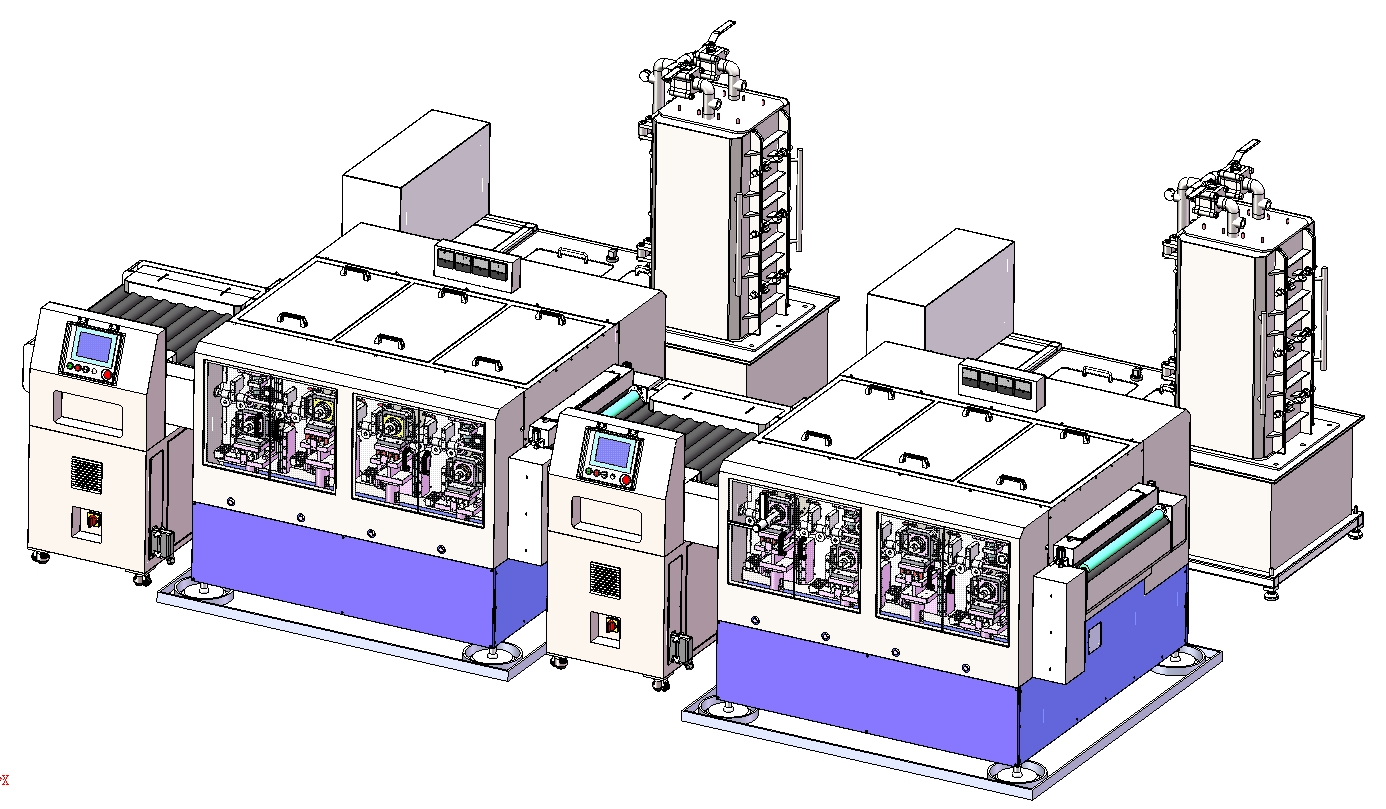
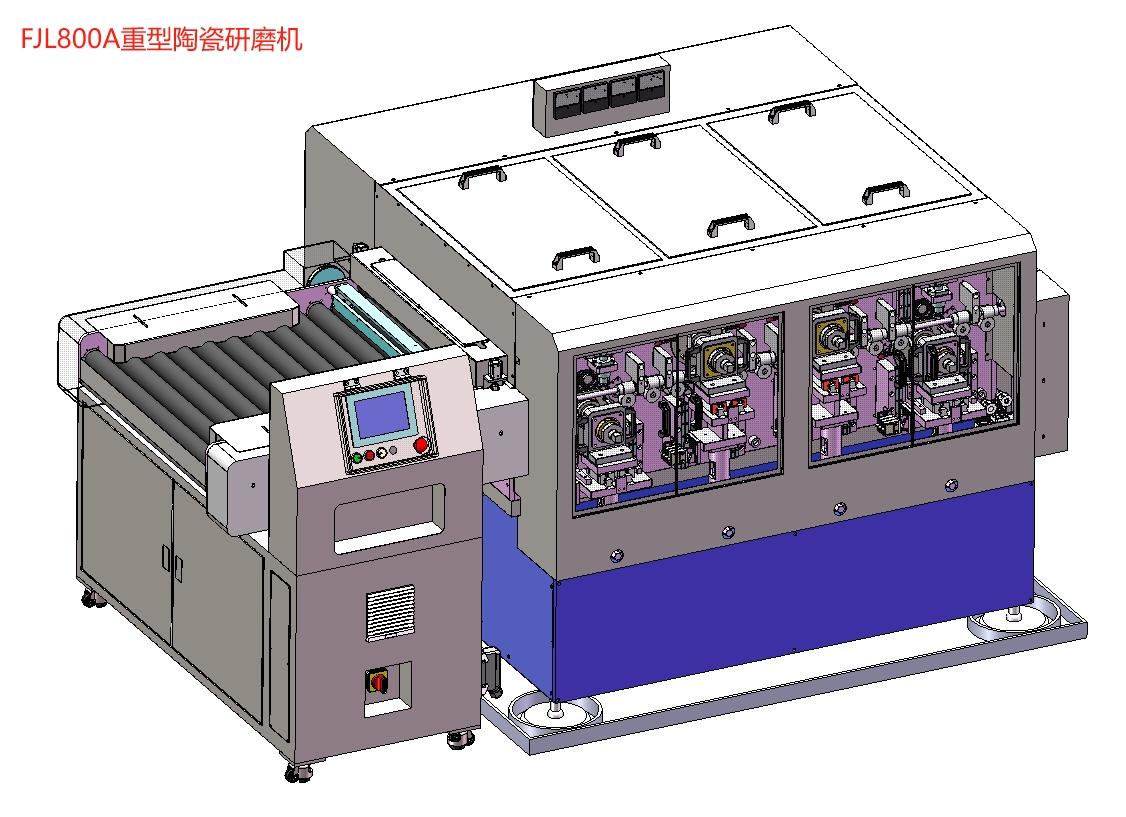
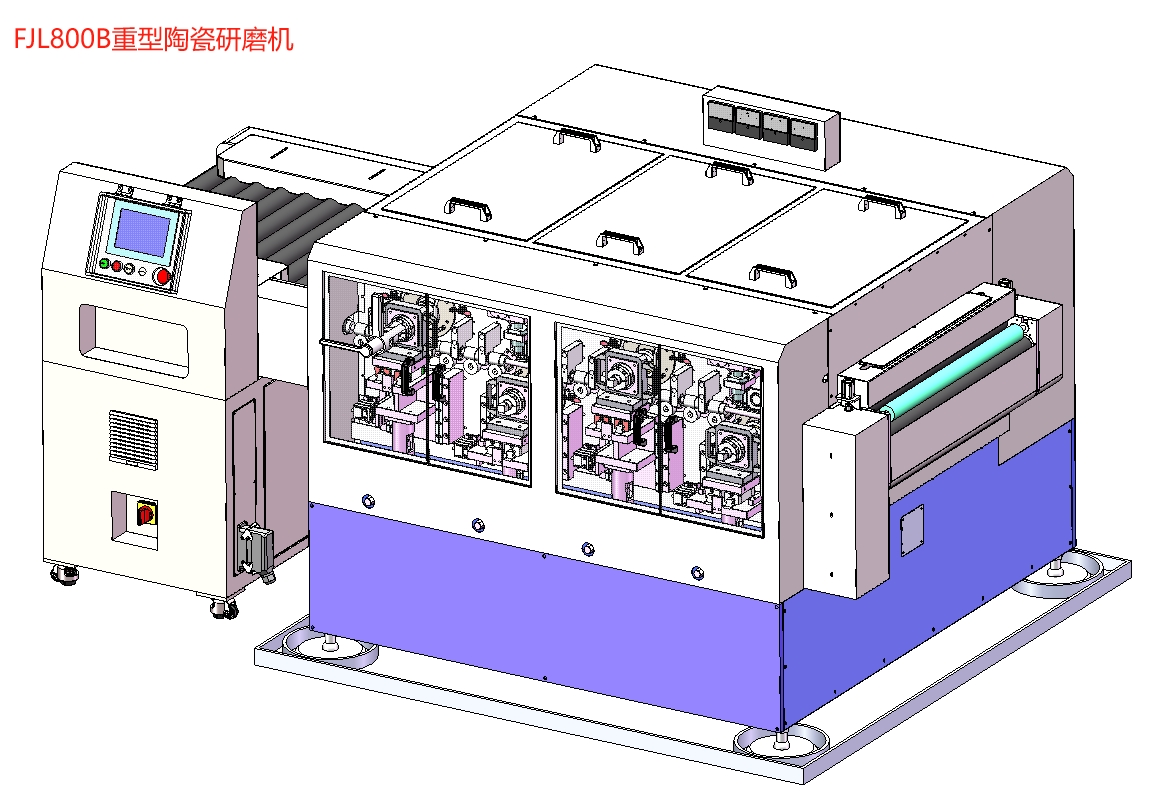
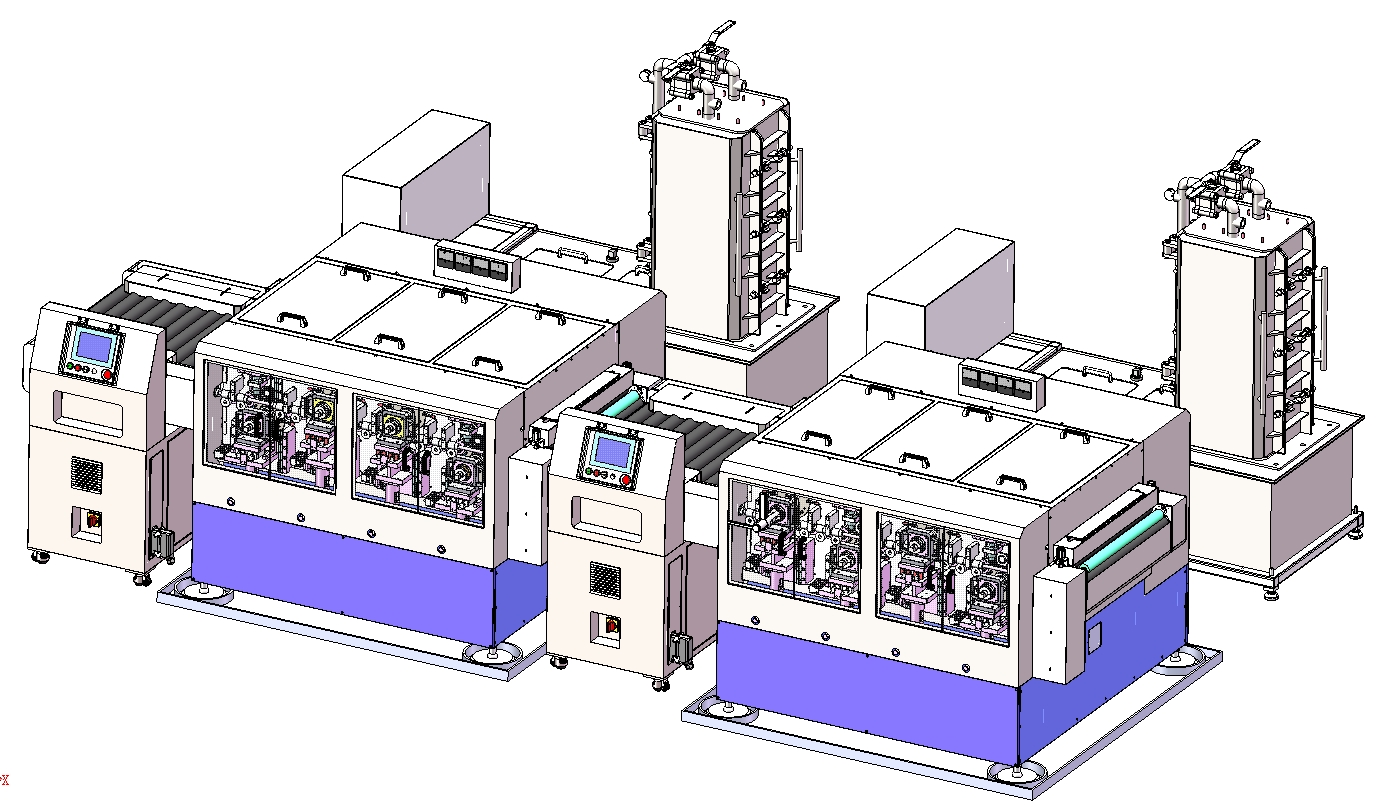
自動研磨機
主要用于印刷電路板加工時的前處理工序,有效去除塞
孔樹脂油墨,高品質(zhì)研磨
自動檢測板厚。
刷輪采用橫拆方式,更換簡便,此外標(biāo)準(zhǔn)配置有自動
整刷,自動取刷痕機能,
可縮短作業(yè)時間。
Circuit board automatic grinding machine PCB board grinder is an indispensable "surface engineer" in electronic manufacturing, and its technological evolution is moving towards high precision, high efficiency, and environmental protection. When selecting equipment, a comprehensive evaluation should be conducted based on production scale, process requirements, and budget to achieve the best return on investment.
Mainly used in the pre-processing process of printed circuit board processing, effectively removing plug resin ink, high-quality grinding, and automatic detection of board thickness.
The brush wheel adopts a horizontal disassembly method, which is easy to replace. In addition, the standard configuration includes automatic brushing and automatic picking of brush marks, which can shorten the operation time.
一、核心功能與應(yīng)用場景
表面處理
去除氧化層/污漬:研磨機可清除PCB板表面的氧化層、助焊劑殘留或油污,為后續(xù)的焊接、貼片或涂覆工藝提供清潔基底。
平整化處理:通過研磨消除PCB板表面的微小凹凸,確保元件貼裝精度,尤其適用于高密度互連(HDI)板或柔性電路板(FPC)。
粗糙度調(diào)整:部分工藝(如噴錫、沉金)需特定表面粗糙度,研磨機可精準(zhǔn)控制粗糙度參數(shù)。
邊緣處理
特殊工藝支持
二、設(shè)備類型與工作原理
按自動化程度分類
操作流程與注意事項
標(biāo)準(zhǔn)操作流程
上料:將PCB板固定在吸盤或夾具上。
參數(shù)設(shè)置:根據(jù)板材類型、厚度調(diào)整研磨壓力、速度等。
研磨處理:啟動設(shè)備,監(jiān)控研磨過程,避免過度研磨。
清洗與檢測:研磨后清洗PCB板,檢查表面質(zhì)量(如平整度、粗糙度)。
下料:將合格品移至下一工序,不合格品返工或報廢。
安全與維護(hù)
防護(hù)措施:操作時佩戴護(hù)目鏡、防塵口罩,避免粉塵吸入。
設(shè)備保養(yǎng):定期更換研磨耗材、清理除塵系統(tǒng),確保設(shè)備精度。
靜電防護(hù):對敏感PCB板,需采用防靜電吸盤或接地措施。
市場趨勢與發(fā)展方向
智能化升級
環(huán)保化趨勢
多功能集成
典型應(yīng)用案例
5G通信PCB:高頻材料(如PTFE)需超精密研磨,確保信號完整性。
汽車電子PCB:通過研磨去除焊接殘留,提升耐腐蝕性,滿足車規(guī)級標(biāo)準(zhǔn)。
醫(yī)療設(shè)備PCB:采用無塵研磨工藝,避免交叉污染,符合醫(yī)療認(rèn)證要求。
PCB板研磨機是電子制造中不可或缺的“表面工程師”,其技術(shù)演進(jìn)正朝著高精度、高效率、環(huán)保化方向邁進(jìn)。選擇設(shè)備時,需結(jié)合生產(chǎn)規(guī)模、工藝需求及預(yù)算綜合評估,以實現(xiàn)**投資回報。
PCB board grinding machine is used in the field of electronic manufacturing and maintenance for processing circuit boards
The key equipment on the surface or edge of the PCB board, whose core function is achieved through mechanical means
Grinding, polishing, or deburring processes are used to improve the flatness and clarity of PCB boards
Cleanliness or adaptability. The following is a detailed analysis of the device: circuit board
Automatic Grinding Machine
Mainly used in the pre-processing process of printed circuit board processing, effectively removing plugs
Hole resin ink, high-quality grinding
Automatically detect plate thickness.
The brush wheel adopts a horizontal disassembly method, which is easy to replace. In addition, the standard configuration includes automatic
Whole brush, automatic brush mark taking function,
It can shorten the homework time.
WeChat image_20250605102247.jpg WeChat image_20250605102309.jpg WeChat image_20250605102319.jpg WeChat image_20250605102247.jpg
1、 Core functions and application scenarios
surface treatment
Removing oxide layers/stains: The grinder can remove oxide layers, flux residues, or oil stains from the surface of PCB boards, providing a clean substrate for subsequent soldering, SMT, or coating processes.
Flattening treatment: By grinding to eliminate small bumps and depressions on the surface of the PCB board, the precision of component mounting is ensured, especially suitable for high-density interconnect (HDI) boards or flexible circuit boards (FPC).
Roughness adjustment: Some processes (such as tin spraying and gold deposition) require specific surface roughness, and the grinding machine can accurately control the roughness parameters.
edging
Deburring: After cutting, there may be residual burrs on the edges of the PCB board, which can be quickly removed by a grinding machine to avoid burrs scratching components or causing short circuits.
Chamfering/Rounding: Chamfering or rounding the edges of PCB boards to improve assembly safety and reduce stress concentration.
Special process support
Back drilling post-processing: In high-speed signal PCBs, the back drilling process may leave small protrusions, which can be smoothed by grinding machines.
Buried/blind hole opening: The grinding machine can precisely control the opening size to ensure the electrical performance of buried or blind holes.
2、 Equipment type and working principle
Classified by degree of automation
Semi automatic grinding machine: combining mechanical transmission and manual intervention, suitable for medium to large-scale production.
Fully automatic grinding machine: integrating processes such as loading and unloading, grinding, and cleaning, supporting large-scale continuous production with high efficiency but high cost.
Operation process and precautions
Standard Operation Procedure
Loading: Fix the PCB board onto the suction cup or fixture.
Parameter settings: Adjust grinding pressure, speed, etc. according to the type and thickness of the board.
Grinding treatment: Start the equipment, monitor the grinding process, and avoid excessive grinding.
Cleaning and testing: Clean the PCB board after grinding and check the surface quality (such as flatness and roughness).
Cutting: Move qualified products to the next process, rework or scrap unqualified products.
Safety and Maintenance
Protective measures: Wear goggles and dust masks during operation to avoid inhaling dust.
Equipment maintenance: Regularly replace grinding consumables and clean the dust removal system to ensure equipment accuracy.
Static protection: For sensitive PCB boards, anti-static suction cups or grounding measures should be used.
Market Trends and Development Directions
Intelligent upgrade
Integrate AI visual inspection, adjust grinding parameters in real-time, and improve yield.
Realize remote monitoring and predictive maintenance through the Internet of Things (IoT).
Environmental Protection Trend
Develop low dust and low-noise grinding processes to reduce environmental pollution.
Using water-based grinding fluid instead of oil-based media to reduce volatile organic compound (VOC) emissions.
Multi-functional integration
Integrating functions such as grinding, cleaning, and testing into a single device to shorten the production cycle.
Support flexible manufacturing and quickly switch between grinding programs for different specifications of PCB boards.
Typical application cases
5G communication PCB: High frequency materials (such as PTFE) require ultra precision grinding to ensure signal integrity.
Automotive electronic PCB: Remove welding residues through grinding, improve corrosion resistance, and meet automotive grade standards.
Medical equipment PCB: Adopting dust-free grinding technology to avoid cross contamination and meet medical certification requirements.
PCB board grinder is an indispensable "surface engineer" in electronic manufacturing, and its technological evolution is moving towards high precision, high efficiency, and environmental protection. When selecting equipment, a comprehensive evaluation should be conducted based on production scale, process requirements, and budget to achieve the best return on investment.